

Lencioni’s 5 Dysfunctions Speaker
Helping teams move from guarded interaction and mixed commitment to trust, honest debate and collective results.
The strongest teams are not the ones that avoid tension. They are the ones that build trust, embrace honest challenge and stay committed to a shared result. As a Lencioni’s 5 Dysfunctions speaker, Mark Denton helps organisations understand why team breakdown so often begins with small gaps in trust and clarity, and how those gaps can be transformed into stronger cohesion, accountability and performance.
Watch Mark’s Lencioni’s 5 Dysfunctions Speaker Showreel:
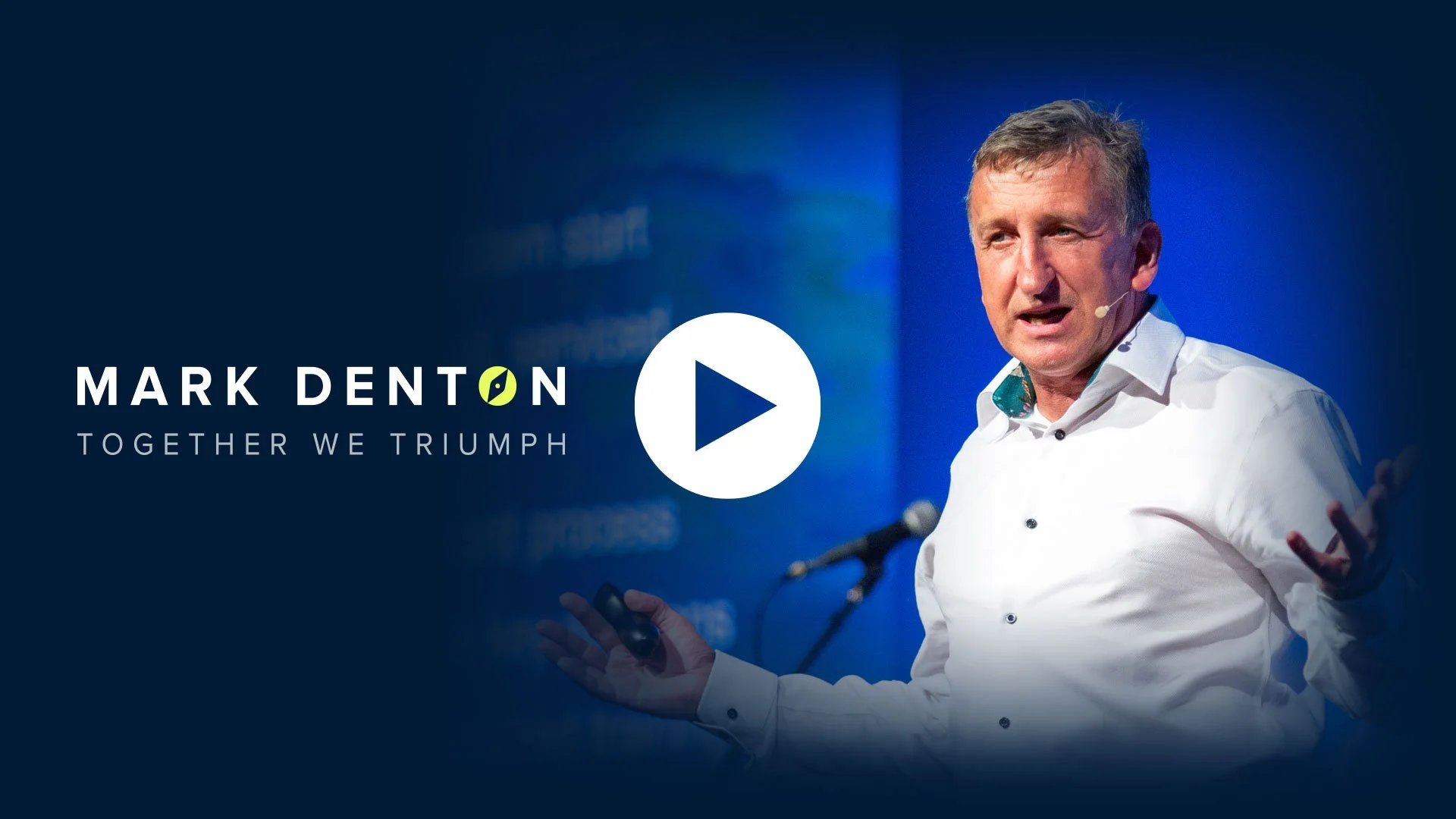
Lencioni’s 5 Dysfunctions Speaker:
Why Team Trust, Healthy Conflict and Shared Accountability Matter More Than Ever
Mark Denton is a compelling speaker on Lencioni’s 5 Dysfunctions because he has led in conditions where team cohesion was not a theory but a necessity. During one of the toughest round-the-world yacht races ever undertaken, he led a crew through fatigue, conflict, uncertainty and sustained pressure. In that environment, the very issues Patrick Lencioni describes became visible in real time: where trust was weak, communication suffered; where conflict was avoided, important issues stayed buried; where commitment wavered, performance faltered.
That experience gives Mark a powerful way to bring the model to life. Rather than treating the five dysfunctions as a framework on a slide, he helps audiences feel what they look like in practice and why they matter so much. His keynote makes clear that the absence of trust is not a soft issue, fear of conflict is not a minor inconvenience, and lack of accountability is not just a management irritation. These are practical obstacles that slow execution, weaken relationships and undermine results.
His keynote commonly explores:
why vulnerability-based trust is the foundation of strong teams
how healthy conflict improves decision-making and clarity
why commitment is stronger when people feel heard
how accountability becomes easier in teams with trust and standards
why results suffer when individuals protect ego, status or silos
Mark’s style is grounded, story-led and highly practical. He helps audiences connect team dysfunction to their own daily realities without making the subject feel heavy or overly technical. The result is a keynote that is insightful, memorable and directly useful for leaders and teams wanting to work better together.
“Mark brought the five dysfunctions model to life in a way our leadership team instantly recognised. It was practical, engaging and challenged us to think honestly about how we work together.” — Senior Leader, Barclays
Hiring a Lencioni’s 5 Dysfunctions Speaker for your event:
The “5 Dysfunctions” sector sits within leadership development, team effectiveness, executive alignment, organisational culture and performance improvement. At its heart is a simple but powerful idea: teams underperform not only because of strategy or capability gaps, but because of relational and behavioural barriers. Patrick Lencioni’s model identifies five connected problems that commonly undermine teams: absence of trust, fear of conflict, lack of commitment, avoidance of accountability and inattention to results.
This remains highly relevant because organisations continue to rely on cross-functional, high-pressure teams to deliver in increasingly complex environments. When teams are fragmented, overly polite, siloed or unclear, the cost is rarely limited to relationships. It affects speed, decision quality, confidence and execution.
Current workplace research strongly supports the practical value of this topic. Gallup’s State of the Global Workplace 2026 reports that only 20% of employees worldwide were engaged in 2025, and that low engagement cost the global economy $10 trillion in lost productivity. Low engagement often goes hand in hand with the kinds of team problems Lencioni’s model highlights: weak trust, poor challenge, reduced ownership and less focus on shared results.
The trust and candour dimensions are particularly important. Amy Edmondson’s work on psychological safety continues to emphasise that teams perform better when people can speak up, raise concerns and take interpersonal risks without fear. That closely supports Lencioni’s first two dysfunctions, where lack of trust and fear of conflict prevent teams from having the open conversations strong performance requires.
In the UK, the CIPD’s Good Work Index 2025 is based on a survey of over 5,000 employees and examines factors such as voice, autonomy, wellbeing and management quality. These are highly relevant because poor team dynamics often show up through reduced voice, less challenge and lower confidence in raising concerns.
Whether it’s Lencioni’s 5 Dysfunctions organisations or events like; leadership conferences, executive offsites, culture programmes, team effectiveness workshops or annual company meetings, organisations increasingly want speakers who can connect performance with the real human dynamics inside teams. The wider trend toward matrixed working, hybrid collaboration and faster decision cycles only makes trust, conflict quality and accountability more important.
Examples of relevant conferences, organisations and thought-leadership ecosystems include:
The Table Group, founded by Patrick Lencioni, which develops content around team health, organisational health and the five dysfunctions model.
Gallup’s workplace research ecosystem, which continues to examine engagement, manager impact and team performance.
CIPD conferences and research on people management, employee voice, team performance and job quality.
ATD leadership and development conferences, where team effectiveness and management capability are recurring themes.
Leadership and organisational development forums focused on executive teamwork and culture.
Wider business conferences where trust, accountability and cross-functional execution are key leadership topics.
There is also a wide variety of niches within this topic that a Lencioni’s 5 Dysfunctions Speaker like Mark can have great effect;
Executive team trust and alignment
Healthy conflict and better decision-making
Team commitment and shared ownership
Accountability cultures and performance discipline
Cross-functional collaboration and silos
Results-focused leadership teams
Mark’s experience makes him especially effective on this subject because he has seen firsthand what happens when teams either build trust and cohesion or fall into silence, misalignment and blame.
He demonstrates how trust becomes the basis for stronger communication and performance
He shows why conflict handled well can improve clarity rather than damage relationships
He helps teams understand how commitment grows when people feel heard and involved
He brings a practical perspective on accountability that feels constructive, not punitive
He connects team behaviour directly to execution and results under pressure
He translates a demanding leadership story into lessons teams can apply immediately
Or Lencioni’s 5 Dysfunctions subjects such as; vulnerability-based trust, healthy conflict, shared commitment, peer accountability and collective results.
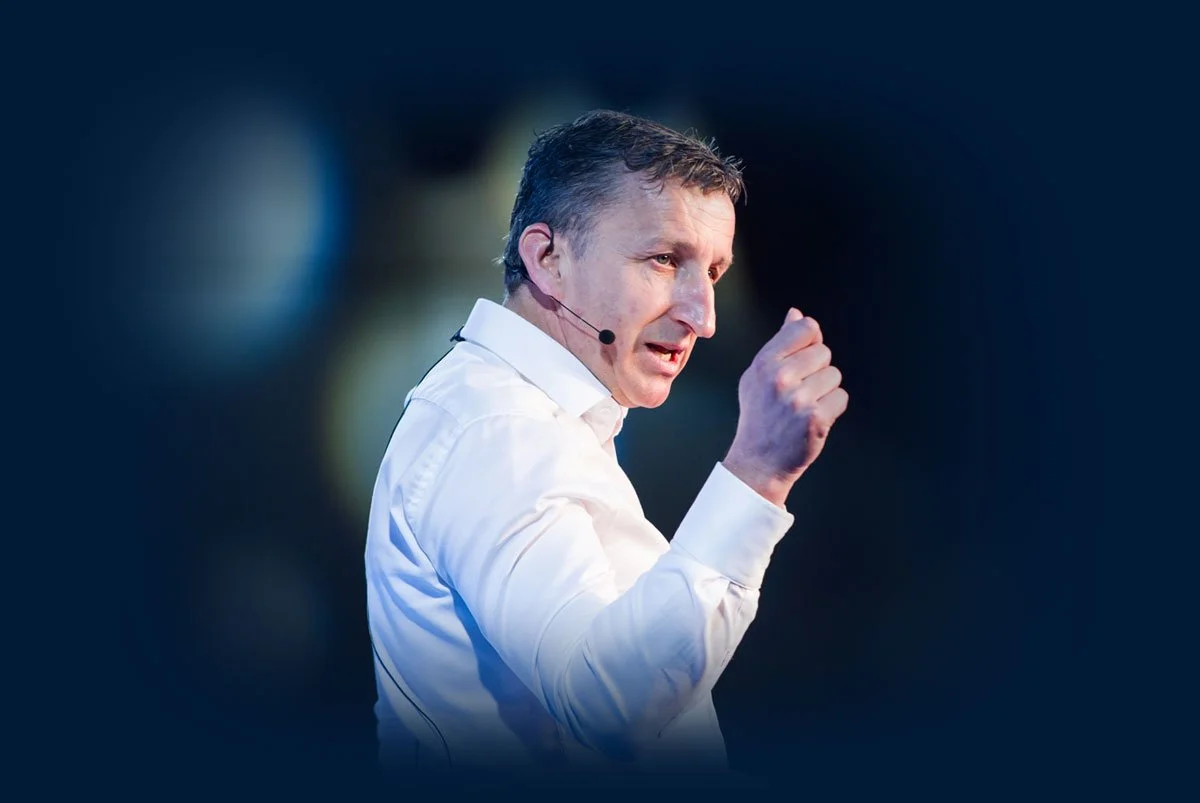
Why Mark Denton Makes the 5 Dysfunctions Model Feel Practical, Human and Actionable
Keynote Topics for Lencioni’s 5 Dysfunctions Audiences
Building trust first so teams can challenge and commit more effectively
Turning conflict into a source of clarity rather than friction
Creating accountability without blame in high-performing teams
Keeping collective results above ego, silos and personal preference
What makes Mark effective on this subject is that he brings the model to life through real leadership experience. He helps audiences see that these dysfunctions are not abstract concepts but everyday team realities that influence meetings, decisions and momentum. His keynote gives leaders and teams a more honest, practical way to think about what stronger teamwork actually requires.
Trusted by Global Brands
Mark has worked with leaders from organisations including Barclays, IBM, Siemens, HSBC and NHS, delivering keynotes that strengthen trust, challenge, accountability and team cohesion. Audiences interested in Lencioni’s 5 Dysfunctions often describe his sessions as eye-opening, engaging and highly relevant because he makes the team issues they recognise feel both understandable and fixable.


Frequently asked questions about booking Mark Denton as a Lencioni’s 5 Dysfunctions Speaker
-
Mark is an excellent choice because he does more than explain the model. He brings it to life through a real leadership story in which trust, conflict, commitment and accountability genuinely mattered. That makes the framework feel much more tangible and memorable for audiences than a purely classroom-style explanation.
-
No. The keynote works well for both audiences already familiar with the framework and those encountering it for the first time. Mark explains the ideas in a clear, practical way, so people can immediately recognise the team behaviours being described and connect them to their own workplace experience.
-
Executive teams often benefit strongly from it, but it is not limited to them. Senior leaders, managers and wider business teams can all gain from understanding how trust, conflict, commitment, accountability and results interact. It is especially useful where teams need better collaboration or more honest conversations.
-
He treats it as a very practical team issue, not a personality flaw. Mark shows that many teams avoid the conversations they most need to have, and that this often leads to slower decisions, weaker buy-in and hidden frustration. He helps audiences reframe conflict as healthy challenge rather than personal tension.
-
Yes. It is often particularly valuable when used alongside broader leadership, culture or team-development work. Mark’s keynote can create a shared language and a stronger emotional connection to the themes, making later work on trust, communication or accountability more effective.
-
No. One of his strengths is helping teams see accountability as a sign of commitment rather than criticism. He shows that in strong teams, accountability is easier because trust is already present and standards are shared. That usually makes the topic feel constructive and motivating rather than threatening.
-
It works well for leadership conferences, executive offsites, annual strategy sessions, culture programmes, management development events and team effectiveness gatherings. It is especially useful where an organisation wants people to work together with more openness, alignment and responsibility.
-
Clients often want stronger trust, better-quality challenge, more consistent team commitment and clearer accountability. In some cases they also want senior teams to become more cohesive or for cross-functional groups to work with less friction and more shared purpose.
-
They respond because he treats team dysfunction honestly but without cynicism. He understands how easy it is for teams to drift into silence, ambiguity or guarded behaviour, and he speaks about that in a way that feels recognisable and useful. His keynote usually sparks both reflection and action.
-
You can contact Mark’s team through the website to discuss your audience, event and the team challenges you want to address. That helps shape the keynote around the most relevant themes, whether the focus is trust, conflict, accountability or strengthening results across the team.
Book Mark Denton for Your Next Event
Bring a world-class motivational speaker to your next business conference or meeting.