

Followership Speaker
Helping teams understand that better leadership often starts with better followership, stronger ownership and a deeper commitment to shared success.
Followership is not passive. It is one of the most underappreciated drivers of team performance, trust and leadership success. As a followership speaker, Mark Denton helps organisations understand that great teams are built not only by strong leaders, but by people who take responsibility, contribute courageously and support the mission with intelligence, honesty and intent.
Watch Mark’s Followership Speaker Showreel:
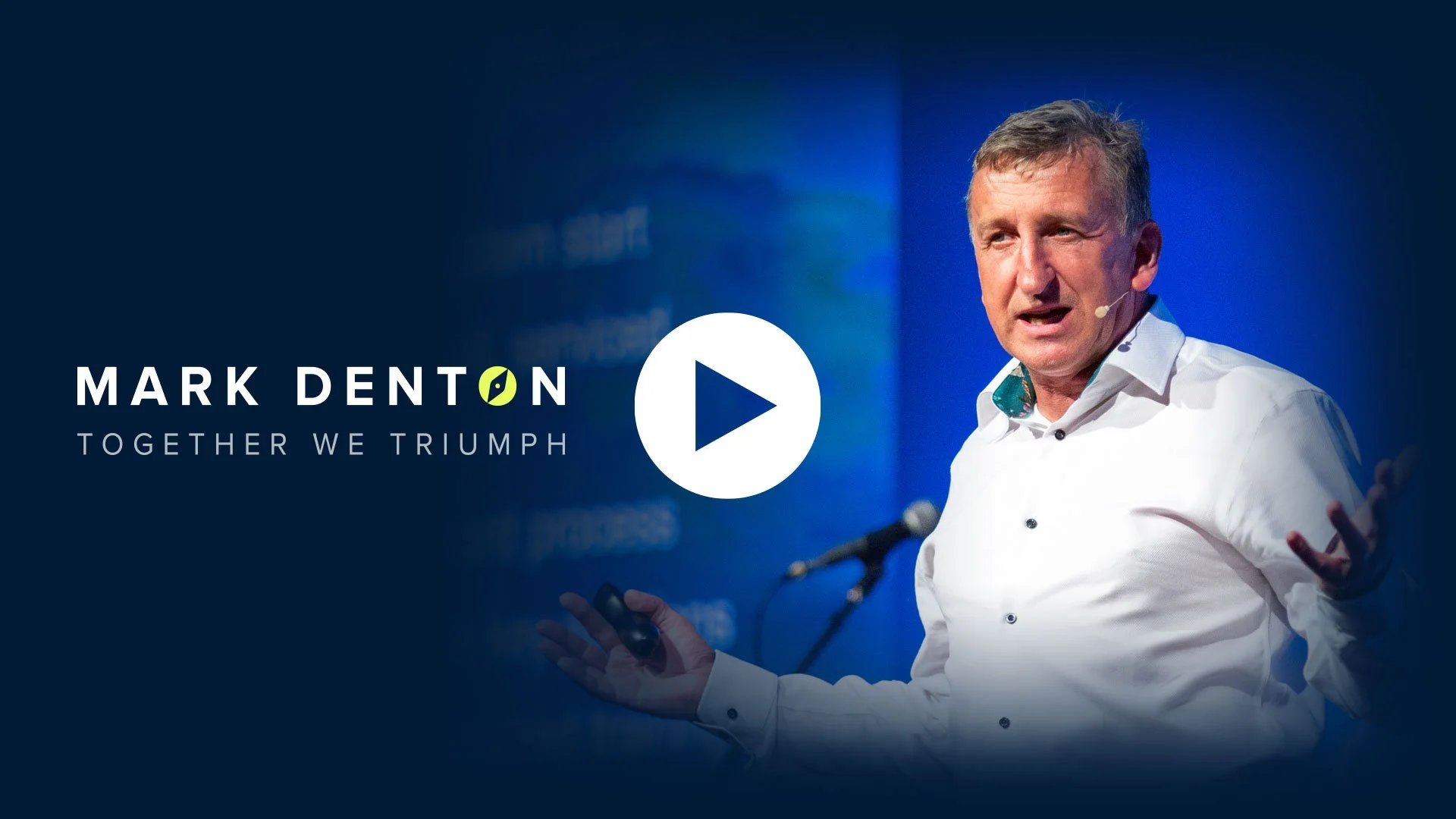
Followership Speaker:
Why Great Teams Need More Than Strong Leaders, They Need People Who Contribute With Courage, Judgement and Responsibility
Mark Denton is a powerful followership speaker because he understands that no leader succeeds alone. His defining leadership experience came from guiding a crew through one of the toughest round-the-world yacht races ever undertaken, where performance depended on every individual understanding not just how to lead when necessary, but also how to follow well — to listen, challenge constructively, step up, support others and take responsibility for the wider outcome.
That perspective gives Mark a highly relevant and refreshing message for modern organisations. In many workplaces, leadership gets all the attention, but followership shapes whether teams actually function. Followership determines whether people speak up with ideas, challenge poor assumptions, support colleagues, uphold standards and contribute beyond their formal role. Without it, even strong leaders can find themselves carrying too much alone or receiving too little honest input.
Mark’s keynote typically explores:
why followership is essential to healthy leadership and strong teams
how personal responsibility improves group performance
the role of courage, initiative and judgement in effective followership
how teams thrive when people contribute honestly and proactively
why trust and respect flow in both directions, not just from the top down
What makes Mark especially effective is that he treats followership as an active strength rather than a secondary role. He helps audiences reframe what good followership looks like in practice: engaged, thoughtful, accountable and willing to serve the wider goal. His delivery is energetic, credible and deeply practical, making the message relevant for leaders, managers and wider teams alike.
“Mark brought a fresh and surprisingly powerful perspective to our leadership event. His message on followership, responsibility and team contribution really landed with the audience.” — Senior Leader, Fujitsu
Hiring a Followership Speaker for your event:
The followership sector sits across leadership development, team effectiveness, organisational culture, employee voice, accountability and collaboration. At its core, it focuses on the role individuals play in supporting, strengthening and challenging leadership in constructive ways. It recognises that effective organisations need people who do more than wait for instructions. They need people who think, contribute, uphold standards and take responsibility for collective outcomes.
That makes followership a highly valuable but often overlooked topic. In practical terms, followership influences whether leaders get honest feedback, whether teams challenge poor decisions early, whether accountability is shared and whether people actively contribute to the success of the group.
The wider workplace context makes followership especially relevant right now. Gallup’s State of the Global Workplace 2026 reports that only 20% of employees worldwide were engaged in 2025, and estimates that low engagement cost the global economy $10 trillion in lost productivity. It also notes that employee engagement reflects people’s psychological attachment to their work, team and employer — all of which are closely connected to whether individuals feel responsible for contributing beyond the minimum.
The employee voice dimension is especially important. CIPD’s Good Work Index 2025 surveys more than 5,000 UK workers each year and highlights the link between autonomy, engagement and positive outcomes. Its employee voice factsheet also stresses that employers should create safe environments where people feel able to express views and influence matters that affect them at work. That aligns closely with strong followership, which depends on people being willing to speak up, engage constructively and take ownership.
There is also a growing recognition that organisations need more distributed leadership and more confident contribution at every level. Recent workplace commentary has highlighted the value of knowledge flowing in multiple directions and the need for organisations to create conditions where challenge and fresh perspective are welcomed rather than suppressed. That makes followership increasingly relevant for leadership conferences, culture initiatives and capability-building programmes.
Whether it’s Followership organisations or events like; leadership conferences, people development programmes, culture change initiatives, management forums or all-company meetings, audiences increasingly value speakers who can broaden the leadership conversation and remind teams that shared success depends on how people follow as much as how they lead.:
Examples of recognised organisations, conferences and thought-leadership ecosystems relevant to followership include:
Gallup workplace research on engagement, management and employee experience.
CIPD conferences, reports and factsheets on employee voice, engagement and job quality.
ATD events, where leadership development, communication and performance regularly intersect with followership themes.
Center for Creative Leadership thought leadership, where distributed leadership and team dynamics are often explored.
Harvard Business Review’s ongoing coverage of teams, management and organisational behaviour.
Wider leadership and organisational development conferences where accountability, contribution and team culture are recurring themes.
There is also a wide variety of niches within this topic that a Followership speaker like Mark can have great effect;
Followership in leadership teams
Constructive challenge and speaking up
Accountability and ownership culture
Employee voice and shared responsibility
Courageous followership during change
Mark’s experience makes him especially effective on this subject because he has led and depended on teams in conditions where followership quality directly shaped outcomes.
He demonstrates how strong followership strengthens, rather than weakens, leadership
He shows why shared responsibility creates stronger performance than passive compliance
He helps audiences understand the difference between agreement and genuine commitment
He brings practical insight into speaking up with respect and courage
He connects followership with trust, accountability and team resilience
He translates a high-pressure leadership story into lessons people can apply immediately
Or Followership subjects such as; ownership, accountability, courageous contribution, team responsibility, leading without authority, speaking up and shared success.
Why Mark Denton Makes Followership Feel Powerful, Relevant and Worth Talking About
Keynote Topics for Followership Audiences
Why high-performing teams need strong followership as well as strong leadership
How to build cultures of ownership, courage and responsible contribution
Speaking up, supporting well and challenging constructively under pressure
Turning passive teams into proactive contributors to shared success
What makes Mark effective as a followership speaker is that he gives dignity and energy to a topic that is often misunderstood. He helps audiences see followership not as obedience, but as active contribution. His keynote makes the case that organisations improve when more people take responsibility, think critically and engage more fully in the mission they are part of.
Trusted by Global Brands
Mark has worked with leaders from organisations including Fujitsu, HSBC, IBM, NHS and Toyota, delivering keynotes that strengthen followership, leadership awareness and team contribution. Followership-focused audiences often describe his sessions as thought-provoking, energising and highly practical because he helps people understand how much influence they really have on the quality of leadership and teamwork around them.


Frequently asked questions about booking Mark Denton as a Followership Speaker
-
Mark is an excellent choice because he makes followership feel important, practical and modern. He shows that organisations do not succeed because leaders carry everything alone; they succeed when people across the business contribute with responsibility, judgement and courage. His keynote helps audiences see followership as an active leadership support skill, not a passive one.
-
It can be, but Mark handles it extremely well because he frames followership as a source of strength rather than hierarchy. His story-driven approach helps people recognise themselves in the message, and his practical examples make the topic feel relevant to real workplace dynamics rather than academic or theoretical.
-
The topic is useful for mixed audiences. Senior leaders benefit because it helps them understand the environment they need to create for healthy challenge and contribution. Wider teams benefit because it gives them permission to think more actively about responsibility, ownership and how they support shared success.
-
Mark links followership to simple but important behaviours: speaking up early, supporting decisions once made, asking better questions, challenging constructively and taking responsibility without waiting to be told. That makes the concept feel immediately relevant to meetings, projects, teamwork and change.
-
Yes, very much so. During change, organisations need people who can adapt, take ownership and contribute constructively even when the direction is evolving. Mark’s keynote helps teams understand their role in supporting successful change rather than simply reacting to it.
-
No. Mark’s point is not that leadership becomes less important. It is that leadership becomes more effective when followership is stronger. He explores the partnership between the two, showing how mutual trust, honest communication and shared accountability improve outcomes for everyone.
-
Yes. One of the strengths of Mark’s message is that it encourages people to see voice and challenge as part of their responsibility, not as something risky or optional. That can be especially valuable in organisations trying to create healthier challenge, stronger communication or a more accountable culture.
-
It works especially well for leadership conferences, people development programmes, culture events, management forums, talent initiatives and organisational change gatherings. It is particularly useful where the business wants to build a more mature conversation around contribution, accountability and shared ownership.
-
They respond because he gives language to something they recognise but may not have named. Many people know that teams function better when more people step up responsibly. Mark makes that idea visible, credible and motivating, which often leads to strong reflection and discussion after the keynote.
-
You can contact Mark’s team through the website to discuss your audience, event format and the followership themes you want to emphasise. That helps shape the keynote around your context, whether your focus is leadership development, team culture, accountability or stronger employee contribution.
Book Mark Denton for Your Next Event
Bring a world-class motivational speaker to your next business conference or meeting.