

Emotional Intelligence Speaker for Engagement and Growth
Helping leaders and teams understand themselves, read the room more effectively and respond with greater clarity, empathy and control when the stakes are high.
As an emotional intelligence speaker, Mark Denton explores how self-awareness, empathy, communication and composure shape performance in modern organisations. His keynote helps audiences understand that emotional intelligence is not a soft extra; it is a practical leadership capability that influences trust, decision-making, collaboration and the ability to lead well under pressure.
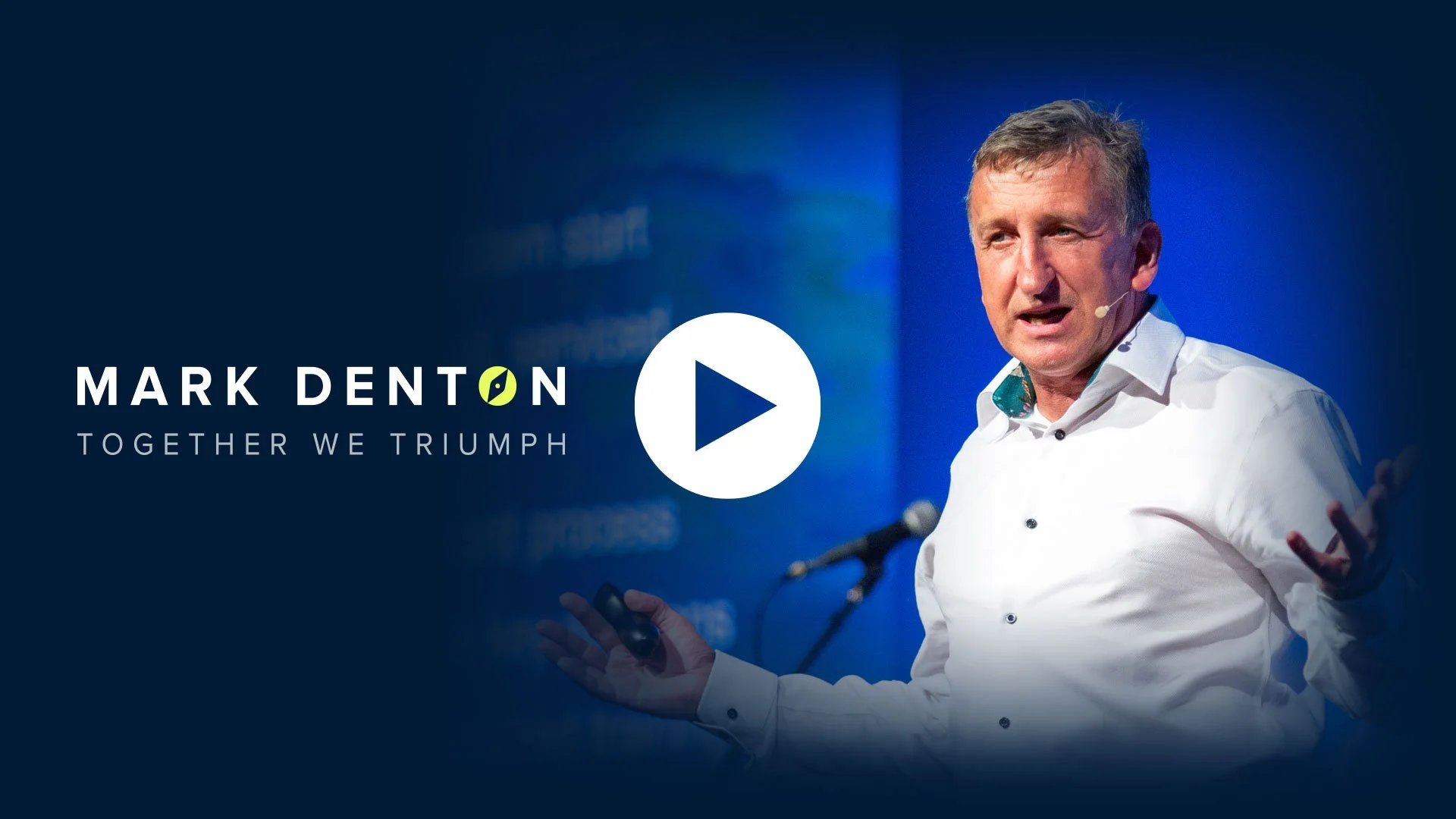
Watch Mark’s Emotional Intelligence Speaker Showreel:
Emotional Intelligence Speaker:
Developing Self-Awareness, Empathy and Better Judgement in High-Pressure Leadership Environments
Mark Denton is a compelling emotional intelligence speaker because he speaks about this topic through lived leadership, not abstract theory. His defining leadership experience came during one of the toughest round-the-world yacht races ever undertaken, where he led a team through exhaustion, uncertainty, interpersonal tension and relentless pressure. In that environment, technical skill mattered, but emotional control, awareness of others and the ability to respond constructively under strain mattered just as much.
That experience gives Mark a highly credible and relatable perspective on emotional intelligence in business. In modern organisations, leaders are expected to make clear decisions, communicate effectively, manage pressure, build trust and maintain team cohesion. None of that happens well without emotional intelligence.
Mark’s keynote explores how emotional intelligence influences:
self-awareness and leadership presence
empathy and stronger working relationships
communication during difficult moments
decision-making when pressure is high
trust, morale and team performance over time
What makes Mark especially valuable is that he translates emotional intelligence into practical workplace language. He does not present it as a vague personality concept. He shows how it affects real business outcomes: whether feedback is heard, whether people feel psychologically safe, whether conflict becomes destructive or productive, and whether leaders stay composed when conditions change.
His style is engaging, grounded and highly human. Audiences are drawn in by the story, but they leave with clearer insight into how emotions influence behaviour, leadership and performance every day.
“Mark gave our audience a fresh and practical understanding of emotional intelligence. He made it relevant, memorable and immediately applicable for leaders dealing with pressure and change.” — Senior Leader, Barclays
Hiring a Emotional Intelligence Speaker for your event:
Why emotional intelligence has become a serious leadership and performance issue
The emotional intelligence sector sits at the intersection of leadership development, people management, communication, wellbeing, performance and organisational culture. It focuses on how individuals understand and manage their own emotions, how they recognise and respond to the emotions of others, and how those capabilities influence decision-making, relationships and results.
In business, emotional intelligence has become increasingly important because leadership now demands more than technical credibility. Leaders must create trust, handle tension, communicate with empathy and guide people through uncertainty. Teams also need stronger emotional awareness if they are to collaborate effectively, manage conflict well and stay resilient under pressure.
Current workplace research points strongly to the relevance of emotional intelligence. Gallup’s State of the Global Workplace 2026 reports that only 20% of employees worldwide were engaged in 2025, with low engagement costing the global economy $10 trillion in lost productivity. Gallup also notes that managers remain central to engagement outcomes, which makes emotionally intelligent leadership especially important.
The wider leadership environment is also becoming more emotionally complex. Gallup’s 2025 workplace challenges research said leaders are trying to inspire and support teams through significant change and uncertainty, while McKinsey’s 2025 research on AI in the workplace argued that one of the biggest barriers to scaling AI is leadership rather than employee readiness. In other words, the challenge is not only technical; it is also human, relational and behavioural.
CIPD’s 2025 report on the role of HR in selecting and developing senior leaders also noted that emotional intelligence is regularly used as a metric in senior leader recruitment and development. That is a strong sign that emotional intelligence is no longer seen as optional or secondary at the top of organisations.
Whether it’s Emotional Intelligence organisations or events like; leadership conferences, management development programmes, culture change initiatives, wellbeing events or annual company gatherings, audiences are increasingly looking for speakers who can make emotional intelligence feel practical, commercial and relevant. The CIPD’s Good Work Index 2025 also reinforces the importance of voice, wellbeing and job quality in shaping employee experience, while recent HBR commentary has highlighted the growing expectation that leaders notice and normalise emotion at work.
Examples of respected organisations and events relevant to this space include:
The Consortium for Research on Emotional Intelligence in Organizations, which Daniel Goleman co-directs through Rutgers University.
Six Seconds, a well-known emotional intelligence network with events and resources in this field.
CIPD conferences and thought leadership around leadership, wellbeing, employee voice and management.
ATD events, where communication, leadership capability and behaviour regularly feature.
World Business Forum, where leadership, people performance and management topics are frequently explored.
Harvard Business Review’s leadership and emotional intelligence topic coverage, which reflects ongoing demand for this area in management thinking.
There is also a wide variety of niches within this topic that a Emotional Intelligence speaker like Mark can have great effect;
Leadership self-awareness and executive presence
Empathy, trust and relationship-building
Feedback, difficult conversations and emotional regulation
Team dynamics, conflict and psychological safety
Wellbeing, resilience and emotional composure
Change leadership and emotionally intelligent communication
Mark’s experience makes him especially effective on this subject because he understands what happens when pressure amplifies emotion and leadership must still remain calm, human and clear.
He demonstrates how self-awareness affects leadership judgement under stress
He shows why empathy is essential for trust and team cohesion
He helps leaders understand how their emotional tone influences others
He brings practical insight into communication when emotions run high
He connects emotional intelligence with resilience, accountability and performance
He translates extreme real-world experience into lessons people can use immediately
Or Emotional Intelligence subjects such as; empathy, self-awareness, trust, emotional regulation, leadership presence and communication under pressure.
Why Mark Denton Makes Emotional Intelligence Feel Relevant, Practical and Business-Critical
Leading with emotional intelligence when pressure is high
Building trust, empathy and stronger relationships at work
Self-awareness, communication and better leadership decisions
Managing emotion constructively during change, tension and uncertainty
What makes Mark effective as an emotional intelligence speaker is that he removes the fluff from the subject. He shows that emotional intelligence is not about being overly soft or endlessly introspective; it is about reading situations more accurately, managing yourself more effectively and leading other people with greater awareness. His keynote gives audiences a practical understanding of how emotional intelligence improves communication, trust and decision-making in the moments that matter most.
Trusted by Global Brands
Mark has worked with leaders from organisations including Barclays, IBM, Siemens, NHS and Vodafone, delivering keynotes that strengthen emotional intelligence, leadership communication and team relationships. Emotional-intelligence-focused audiences often describe his sessions as insightful, grounding and highly impactful because he connects empathy and self-awareness with stronger leadership and better performance.


Frequently asked questions about booking Mark Denton as a Emotional Intelligence Speaker
-
Mark is an excellent choice because he makes emotional intelligence practical and credible. He speaks from real leadership experience in extreme conditions where self-awareness, empathy and emotional control had direct consequences. That gives the audience something more useful than theory: a clear understanding of how emotional intelligence affects leadership, trust and performance in the real world.
-
Yes, arguably even more so. In fast-moving commercial environments, leaders still need to make sound decisions, build trust, communicate clearly and handle pressure without damaging morale or relationships. Emotional intelligence helps people do exactly that, which is why it matters in finance, healthcare, engineering, sales, operations and leadership teams alike.
-
It balances both. Mark shows that empathy without direction is not enough, and performance without emotional awareness often creates friction or disengagement. His keynote connects emotional intelligence to better judgement, stronger communication and more effective leadership, which means it supports both people outcomes and business outcomes.
-
Yes. It works particularly well for senior leadership groups, people managers and mixed employee audiences. Mark can adapt the emphasis depending on whether the event is more focused on leadership capability, culture, communication, resilience, change or team dynamics.
-
Mark’s role is different because he is not delivering a classroom-style training session. He brings the topic to life through story, leadership experience and practical insight, helping audiences emotionally connect with the subject while also seeing its relevance to their day-to-day work. That often makes the message easier to remember and apply.
-
Absolutely. Change often creates uncertainty, anxiety, resistance and communication challenges. Emotional intelligence helps leaders respond to those realities with empathy, clarity and composure. Mark’s keynote is particularly valuable where organisations want change communication and leadership behaviour to feel more human and more effective.
-
Yes. Emotional intelligence naturally links to how people give feedback, receive challenge, listen properly and navigate uncomfortable conversations. Mark can address these themes within the keynote, especially where an organisation wants to improve trust, candour and communication quality.
-
Audiences usually leave with clearer thinking around self-awareness, emotional tone, listening, trust, composure under pressure and how leadership behaviour influences others. The takeaways are practical rather than technical, which makes them easier to use in meetings, conversations and everyday team interactions.
-
Clients often want stronger leadership presence, better communication, more trust inside teams, improved collaboration and a more constructive response to pressure or change. In some cases they also want to reinforce cultural themes such as empathy, inclusion, openness or psychological safety.
-
They respond because he treats the topic with seriousness and humanity. He does not reduce emotional intelligence to buzzwords. Instead, he shows how it works in real leadership moments, especially when pressure is high and emotions are real. That balance of credibility, empathy and practicality tends to make the session land strongly.
Book Mark Denton for Your Next Event
Bring a world-class motivational speaker to your next business conference or meeting.