

Diversity & Inclusion Speaker
Helping organisations create cultures where difference is respected, contribution is valued and people feel they genuinely belong.
As a diversity & inclusion speaker, Mark Denton explores how inclusive leadership, trust and everyday behaviour shape the quality of working life and the performance of teams. His keynote helps audiences move beyond statements of intent and towards the practical actions that create belonging, improve collaboration and enable people from different backgrounds and perspectives to thrive together.
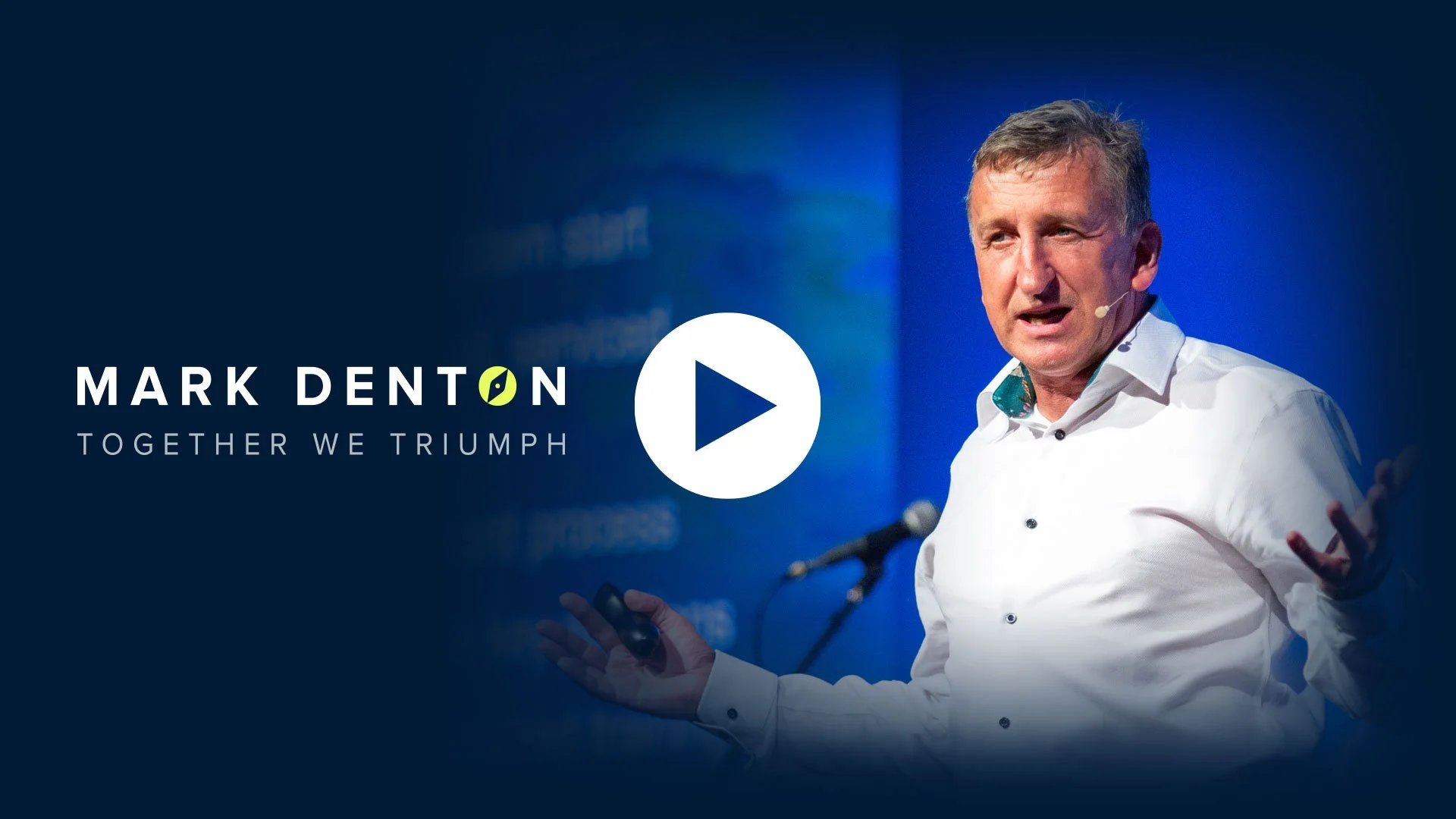
Watch Mark’s Diversity & Inclusion Speaker Showreel:
Diversity & Inclusion Speaker:
Turning Inclusion, Belonging and Leadership Behaviour Into a Stronger Culture and Better Performance
Mark Denton is a powerful diversity & inclusion speaker because he approaches the subject through lived leadership rather than abstract theory. His defining leadership experience came from leading a diverse crew through one of the most demanding round-the-world yacht races ever undertaken. In that environment, difference could either become division or strength. Success depended on whether people felt respected, heard and trusted enough to contribute fully under pressure.
That perspective translates directly into today’s workplace. Diversity can bring broader thinking, stronger problem-solving and better decision-making, but only when inclusion is real. Mark helps audiences understand that inclusion is not created by policy alone. It is created by behaviours: how leaders listen, how teams communicate, how challenge is handled, and whether people feel psychologically safe enough to speak up and contribute.
His keynote typically explores:
how inclusive leadership builds trust and stronger teams
why belonging matters for engagement and performance
how communication and empathy affect inclusion
the role of leadership behaviour in shaping culture
how teams benefit when diverse perspectives are genuinely welcomed
What makes Mark especially effective is that he speaks about inclusion in a way that feels practical, respectful and business-relevant. He avoids empty slogans and instead focuses on what people can do differently in real workplaces. His story gives the subject emotional depth, while his insight helps audiences connect inclusion to culture, leadership and everyday performance.
“Mark brought real humanity and practical insight to the diversity and inclusion conversation. He helped our leaders understand that inclusive cultures are built through daily behaviour, not just intention.” — Senior Leader, NHS
Hiring a Diversity & Inclusion Speaker for your event:
Why belonging, fairness and inclusive leadership now matter more than ever
The diversity & inclusion sector spans equality, diversity, inclusion, belonging, leadership development, culture change, employee experience and fair progression. Its focus is not simply representation, but whether organisations create environments where people from different backgrounds, experiences and perspectives are able to contribute fully and progress fairly.
In modern organisations, this has become a major business and leadership issue. Inclusion affects trust, innovation, engagement, retention and how effectively teams work together. It also influences whether organisations can attract talent and build cultures that are both high-performing and sustainable.
Current research continues to show that inclusion remains an active organisational challenge. The CIPD’s 2025 report Resetting EDI and reaffirming inclusion argues that organisations should embed EDI into business priorities, leadership behaviours, core people processes and governance rather than treat it as a standalone initiative. Its 2026 EDI factsheet makes the same case for embedding equality, diversity and inclusion into organisational priorities and people practices.
McKinsey’s Women in the Workplace 2025 found that although women remain as committed to their careers as men, structural barriers persist, companies have reduced priority on women’s advancement, and women are less likely to see a path upwards. The study covered roughly three million employees across 124 organisations and surveyed around 10,000 employees, underlining the scale of the challenge.
Broader research also continues to support the performance case for inclusion. McKinsey’s diversity work argues that the relationship between diversity, inclusion and business performance remains strong, while the World Economic Forum’s Diversity, Equity and Inclusion Lighthouses 2025 highlights organisations implementing practical inclusion measures at scale.
Whether it’s Diversity & Inclusion organisations or events like; leadership conferences, employee resource group events, culture programmes, talent forums or company-wide inclusion initiatives, audiences increasingly want speakers who can make the topic practical, human and relevant to day-to-day leadership. The CIPD also continues to stress that workplaces should be environments where individuals feel safe, experience belonging and are empowered to achieve their full potential.
Examples of recognised conferences and bodies relevant to this space include:
CIPD conferences, reports and factsheets on equality, diversity and inclusion.
SHRM events and workplace thought leadership around inclusion and people management.
Catalyst conferences and research on inclusive workplaces and advancement.
The Conference Board events focused on leadership, talent and inclusion.
World Economic Forum reports and initiatives related to DEI and gender parity.
McKinsey research forums and client work focused on diversity and inclusion as a source of organisational advantage.
There is also a wide variety of niches within this topic that a Diversity & Inclusion speaker like Mark can have great effect;
Inclusive leadership and manager capability
Belonging, psychological safety and employee voice
Gender equity and career progression
Culture, communication and team inclusion
Fair opportunity, development and talent retention
Diversity, inclusion and business performance
Mark’s experience gives him an unusually practical and human perspective on this topic because he has led diverse teams in demanding conditions where trust, respect and inclusion were essential to performance.
He demonstrates how inclusive leadership affects whether people contribute fully
He shows why belonging and psychological safety matter in high-pressure teams
He helps audiences understand how communication either includes or excludes
He brings practical insight into empathy, trust and team dynamics
He connects inclusion with stronger collaboration and decision-making
He translates high-stakes team experience into lessons leaders can apply immediately
Or Diversity & Inclusion subjects such as; belonging, inclusive leadership, team trust, psychological safety, fairness and communication across difference.
Why Mark Denton Makes Inclusion Feel Real, Practical and Worth Acting On
Building inclusive teams where people feel safe to contribute
The leadership behaviours that create belonging and trust
Why inclusion improves collaboration, culture and performance
Turning diversity into strength through communication and empathy
What makes Mark effective as a diversity & inclusion speaker is that he helps audiences see inclusion as a leadership and performance issue, not simply a compliance or messaging issue. His keynote gives people a more human and practical understanding of what belonging feels like, how trust is built and why inclusive behaviours matter in everyday interactions. That helps organisations move from intention to action in a way that is credible and lasting.
Trusted by Global Brands
Mark has worked with leaders from organisations including NHS, Barclays, IBM, AstraZeneca and Vodafone, delivering keynotes that strengthen inclusion, belonging and leadership awareness. Diversity- and inclusion-focused audiences consistently describe his sessions as thoughtful, uplifting and highly relevant because he connects the human experience of inclusion with stronger culture, better teamwork and more effective leadership.


Frequently asked questions about booking Mark Denton as a Diversity & Inclusion Speaker
-
Mark is an excellent choice because he approaches diversity and inclusion with both humanity and practical relevance. He does not reduce the subject to slogans or compliance language. Instead, he helps audiences understand how inclusion is experienced in real teams, how leaders shape belonging through behaviour, and why inclusion has a direct effect on trust, contribution and performance.
-
He speaks about both, but with a strong emphasis on inclusion and belonging because that is where people experience culture most directly. Diversity matters, but the benefits of diversity are only realised when people feel respected, heard and able to contribute. Mark helps audiences understand that relationship clearly.
-
Yes. His keynote is designed to work well for leadership audiences, wider employee groups, culture events and mixed organisational audiences. It is especially effective where an organisation wants the conversation to feel relevant to everyone, not confined to a specialist function or isolated initiative.
-
Mark’s strength is that he speaks through real experience and practical team dynamics. He uses story, pressure, trust and behaviour as the entry point, which makes the subject feel human rather than formulaic. That often helps audiences engage more openly because the conversation feels grounded, not performative.
-
Yes. He can tailor the keynote to reflect your audience and your organisational focus, whether that is inclusive leadership, belonging, psychological safety, communication across difference, allyship or creating stronger team cultures. That makes the keynote more relevant and more useful for the event you are running.
-
Absolutely. Mark makes a clear link between inclusion and performance. He helps audiences see that when people feel safe to contribute, challenge constructively and bring their perspective, teams usually communicate better, think better and perform better. That balance is one of the reasons the keynote works well with business audiences.
-
Yes. Many organisations use Mark’s keynote as part of a wider culture, leadership or people strategy initiative. His keynote can help create momentum, shared language and stronger engagement around inclusion themes that need to be reinforced beyond a single event.
-
Clients often want stronger awareness of inclusive leadership, better understanding of belonging, more constructive team behaviours and a more practical conversation about what inclusion looks like in everyday work. In some cases they also want to energise internal networks or support a broader cultural reset.
-
A typical keynote is around 45 to 60 minutes, but it can be adapted to your event. It can also include Q&A, moderated discussion or a fireside conversation if you want to explore the subject more deeply or connect it directly to organisational priorities.
-
They often respond because he treats the topic with sincerity, respect and realism. He does not simplify it too much, but he also avoids making it feel inaccessible. He helps people connect inclusion to leadership, communication and team experience in a way that feels practical, memorable and genuinely worth acting on.
Book Mark Denton for Your Next Event
Bring a world-class motivational speaker to your next business conference or meeting.